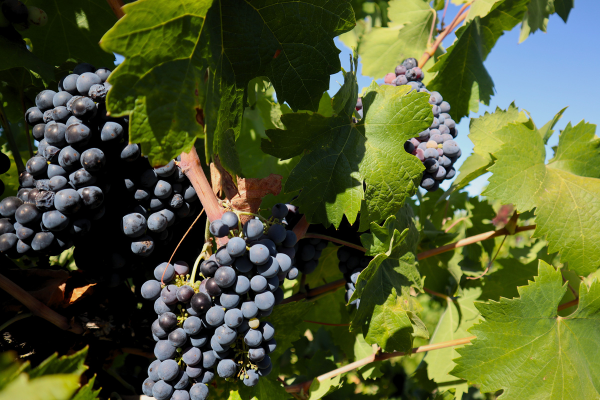

How Zinfandel Became the Grape of America
Zinfandel is more than a grape in California. It is the grape of California. It has watched the golden state transform from a dusty frontier to an agricultural powerhouse, and from Gold Rush chaos to the fine wine destination. Planted by early settlers, saved by stubborn farmers, and rediscovered by modern winemakers, Zinfandel carries California’s history in its roots. To understand Zinfandel is to understand something essential about the spirit of California itself
From the Old World to the Golden State
Zinfandel feels like it was born under the California sun, but its story begins far from the Pacific. Long believed to be an American original, the grape was eventually traced through DNA research to Croatia. In Croatia, it is known as Crljenak Kaštelanski, and to southern Italy (Puglia), it is Primitivo. In the early 1800s, vine cuttings made their way across the Atlantic. These vines eventually traveled west with settlers eager to plant roots of their own.
By the time Zinfandel reached California, the state itself was still defining what it wanted to be. That sense of possibility would shape both the grape and the place.
Gold Rush Roots and Early California Wine
The Gold Rush of 1849 changed California forever, almost overnight. Miners arrived by the thousands, and where people gathered, vineyards followed. Zinfandel thrived in this environment. It was productive and capable of making bold, crowd pleasing wines. For a young state moving fast and thinking big, Zinfandel was a natural fit.
By the late nineteenth century, it had become one of California’s most widely planted grapes. As European vineyards struggled with phylloxera, many California Zinfandel vines survived, and some of those original plantings still exist today in regions like Sonoma, Napa, Lodi, and the Sierra Foothills. These old vines remain a direct link to California’s earliest wine history.
Survival Through Change
Zinfandel has always been resilient. During Prohibition, when vineyards were pulled out, Zinfandel endured due to its grapes shipping well. These grapes were legally sold for home winemaking, and families across the country crushed Zin in basements and backyards. Miraculously, Zinfandel and it’s magic was kept alive through one of the darkest chapters in American wine.
Decades later, Zinfandel took an unexpected turn with the rise of White Zinfandel. Sweet, pink, and shockingly popular, it introduced a new generation to wine and quietly preserved vineyards. While it may have reshaped the grape’s reputation, it also helped Zinfandel’s survival.
A Return to Place
Today, Zinfandel is being reexamined with fresh eyes. Winemakers are focusing on vineyard expression, old vines, and balance, rather than sheer power. Coastal sites offer spice and freshness, while warmer inland regions bring richness and depth. Zinfandel has become a storyteller, reflecting fog, heat, soil, and farming choices with a California twist.
This renewed attention has helped elevate Zinfandel beyond nostalgia, positioning it as one of California’s most transparent and expressive grapes.
Where Zinfandel Is Headed
Looking to the future, Zinfandel may prove uniquely suited to California’s changing climate. It handles heat well, responds beautifully to dry farming, and retains character even in challenging conditions. Younger winemakers are embracing it as both a heritage grape and a canvas for innovation.
Zinfandel is not polished or predictable, and it never has been. It is generous, expressive, and deeply tied to the people and places that grow it. In many ways, it tastes like California itself. Restless, resilient, and always becoming something new.
Shop our full Zinfandel Collection here!
Leave a Reply