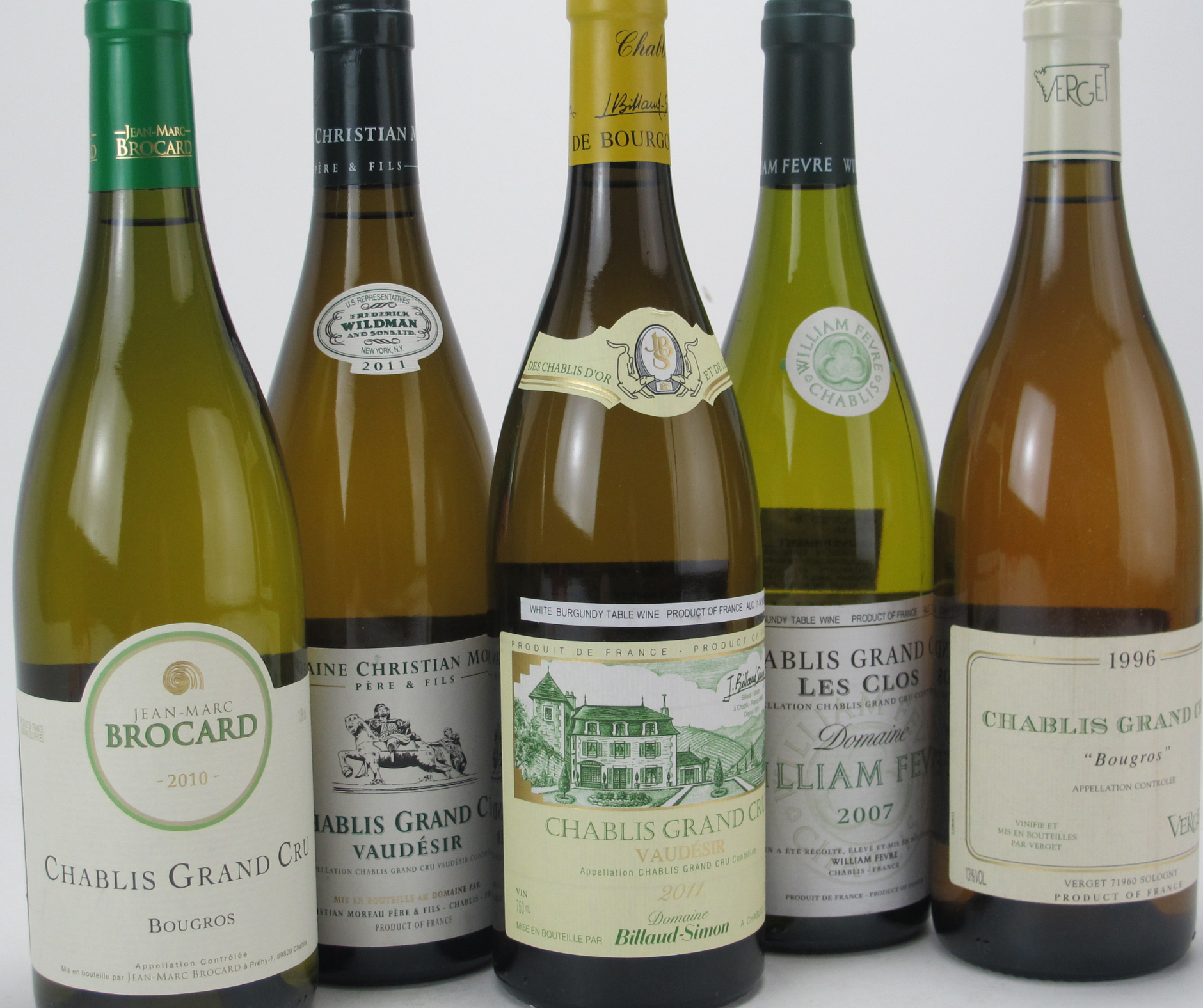
Burgundy’s Purest Expression of Chardonnay
The Chablis wine region sits at the northern edge of Burgundy, where cool climate and ancient soils shape some of the world’s most precise white wines. Here, Chardonnay shows a completely different personality from the richer styles often associated with the grape.
Instead of weight and oak, Chablis offers clarity, tension, and mineral character. The wines are bright, structured, and built for both early enjoyment and long aging. For collectors and everyday wine lovers alike, Chablis remains one of Burgundy’s most distinctive expressions of Chardonnay.
Where the Chablis Wine Region Is Located
The Chablis wine region lies about two hours southeast of Paris in northern Burgundy. Because it sits farther north than most Burgundy vineyards, the climate is noticeably cooler. Frost is also a regular challenge for growers in spring.
However, this cooler environment is exactly what gives Chablis its signature style. Grapes ripen slowly, preserving acidity and freshness. As a result, the wines feel energetic and precise rather than heavy.
Today, the region produces only white wine made from Chardonnay.
The Famous Kimmeridgian Soils of Chablis
One of the defining features of the Chablis wine region is its soil. Much of the best vineyard land sits on Kimmeridgian limestone, an ancient seabed filled with fossilized oyster shells.
This soil composition plays a major role in shaping the character of Chablis wines. Many drinkers describe a subtle saline or oyster-shell minerality in the glass. While the term “minerality” can be debated, the influence of these soils is undeniable.
As a result, Chablis often pairs beautifully with seafood, oysters, and lighter dishes.

A row of vines stretch across the Chablis landscape, where shallow topsoil reveals the pale limestone beneath that helps give the region’s Chardonnay its signature precision and minerality.
Sample of soil from Chablis Grand Cru appellation vineyards, limestone and marl soils with oyster fossils, Burgundy, France with vineyards on background

Understanding the Four Levels of Chablis
The Chablis wine region follows a clear hierarchy of vineyard classifications. Each level reflects differences in vineyard location, soil quality, and aging potential.

Petit Chablis
Petit Chablis sits on higher plateau vineyards with younger soils. The wines are fresh, citrus-driven, and approachable. They are perfect for early drinking.
Chablis
Village-level Chablis forms the backbone of the region’s production. These wines show bright acidity, green apple notes, and classic mineral tension.


Chablis Premier Cru
Premier Cru vineyards sit on some of the region’s best slopes. Wines from these sites gain additional depth, structure, and complexity.
Chablis Grand Cru
At the top of the hierarchy sit seven Grand Cru vineyards overlooking the town of Chablis. These wines are powerful, structured, and capable of aging for decades.

The Signature Style of Chablis Wines
What makes the Chablis wine region so compelling is its unmistakable style. Compared with many other Chardonnay regions, Chablis emphasizes purity and structure.
Common tasting notes include:
- Green apple
- Lemon zest
- White flowers
- Chalky minerality
- Crisp acidity
Oak plays a smaller role in many Chablis wines, especially at the village level. Therefore, the fruit and terroir remain at the forefront.

Why Chablis Continues to Captivate Collectors
The Chablis wine region offers something increasingly rare in the wine world: precision without excess. While many Chardonnay styles lean toward richness, Chablis remains focused on balance and freshness.
Additionally, top producers continue to craft wines that age beautifully. Over time, mature Chablis can develop notes of honey, hazelnut, and dried citrus while still maintaining remarkable acidity.
For collectors seeking wines that reflect place and tradition, Chablis remains one of Burgundy’s most compelling regions.
Key Takeaways from the Chablis Wine Region
The Chablis wine region stands apart within Burgundy for its climate, soils, and unmistakable expression of Chardonnay. From crisp Petit Chablis to powerful Grand Cru bottlings, the wines deliver precision, minerality, and longevity.
For anyone exploring Burgundy or searching for a purer style of Chardonnay, Chablis offers a remarkable window into how terroir shapes wine.
Cheers,
The BWG team
Leave a Reply