The Quiet Californian Icon
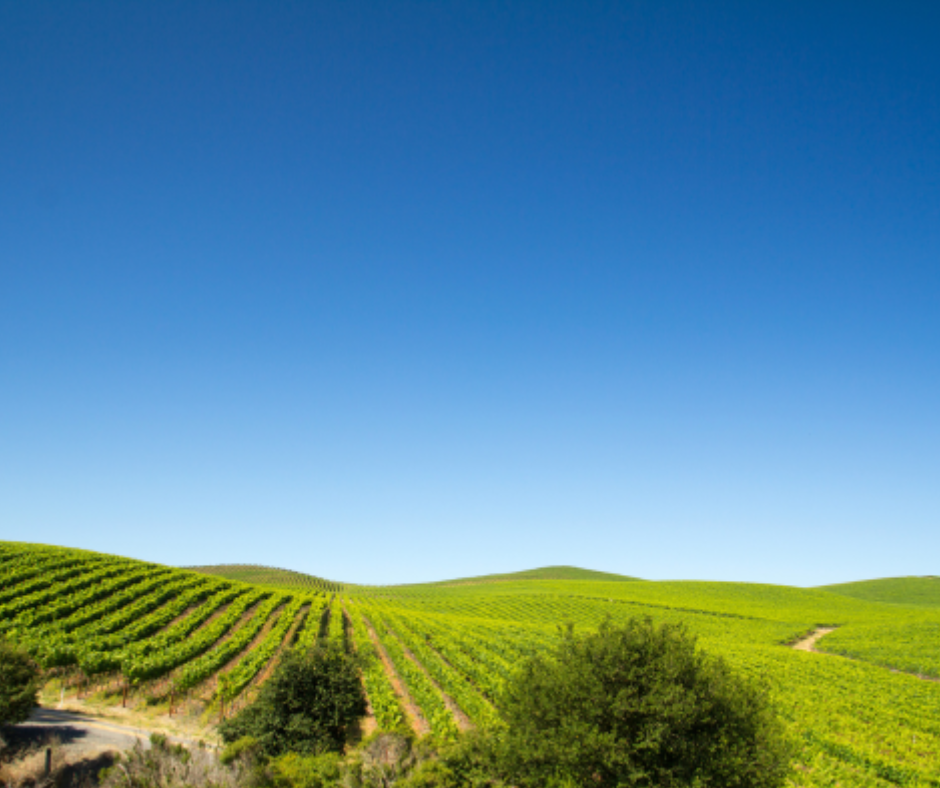
Just north of San Francisco and past Napa lies a landscape that feels almost designed for wine. The rolling hills, coastal fog, sun-drenched valleys, and ancient soils have been coaxing grapes into greatness for centuries. This is Sonoma, one of California’s most celebrated wine regions, where wine is a way of life.
Sonoma’s Roots
Long before Sonoma hit a boon with premium wines, it was home to Indigenous peoples who cultivated the land harmoniously. The modern wine era began in the early 1800’s when gold miners recognized the region’s agricultural potential.
One of the most important early figures was Buena Vista Winery, founded in 1857 by Agoston Haraszthy, often called the “Father of California Viticulture.” He introduced European grape varietials and modern winemaking techniques that helped make the region special.
Even as California’s wine industry faced setbacks like Prohibition and Phylloxera, Sonoma endured. Its growers adapted, replanted, and eventually helped lead the post-1960s American wine renaissance.
What Makes Sonoma Wine Special
Unlike more geographically compact wine regions, Sonoma County stretches across coastal cliffs, redwood forests, mountain ridges, and warm inland valleys, making for distinct wines with different stories.
That variation creates a remarkable range of wines like:
- Cool-climate Pinot Noir and Chardonnay near the Pacific
- Bold Cabernet Sauvignon and Zinfandel inland
- Crisp Sauvignon Blanc and elegant sparkling wines North
This patchwork of climates is what gives Sonoma its signature flexibility and depth. Winemakers often say Sonoma doesn’t have one “style.”
What It Means to Be a Sonoma Winemaker
Being a Sonoma winemaker is as much about stewardship as it is about production. Many vintners speak of a deep responsibility to the land, particularly as sustainable and organic farming practices have become central to the region’s identity.
Unlike mass-production wine regions, Sonoma is still defined by a strong presence of family owned vineyards and boutique producers. Winemakers often walk their own vines, make harvest decisions by hand, and blend tradition with innovation.
There’s also a strong sense of community. Even competing wineries frequently collaborate on sustainability initiatives, wildfire recovery, and water conservation, and they choose to recognize that the region’s future depends on a collective care.
Iconic Sonoma Wines and Wineries
Sonoma is home to both historic estates and modern pioneers. Some of the most recognized names include:
More than anything, Sonoma wine reflects a philosophy: that great wine begins in the soil and is shaped by patience, restraint, and respect for nature.
Unlike regions that lean heavily into prestige or exclusivity, Sonoma tends to feel more grounded. Winemakers might pour your glass themselves and talk you through the season’s weather as casually as the grape chemistry.
It’s this blend of world-class quality and down-to-earth character that defines Sonoma.
A Living Landscape
Today, Sonoma continues to evolve. Climate change, wildfire resilience, and sustainability are reshaping how vineyards are managed. At the same time, younger winemakers are experimenting with natural wines, lesser-known varietals, and regenerative farming.
Yet even as it changes, Sonoma holds onto its core identity: a place where wine is deeply tied to land, community, and craft.
To drink Sonoma wine is to taste not just grapes, but geography, history, and human persistence, all in a single glass.
Shop Sonoma Here!
Leave a Reply