Discover The Wines That Defined the ’90s
Oasis and The Spice Girls are at the top of the charts, Tom Cruise and Nicole Kidman are the It Couple in Hollywood, Friends and ER are must see TV, and Screaming Eagle’s inaugural 1992 vintage just took Napa by storm. If you guessed that we have laded in the 1990s, you would be right! Bordeaux, Burgundy, and Champagne hit their strides, Napa Valley catapulted to the top of the market with cult producers, and a certain critics scoring scale started to take over the fine wine world. This is the decade that took an old world tradition into the modern 21st century. This is the 90s, defined by wine
Napa Valley
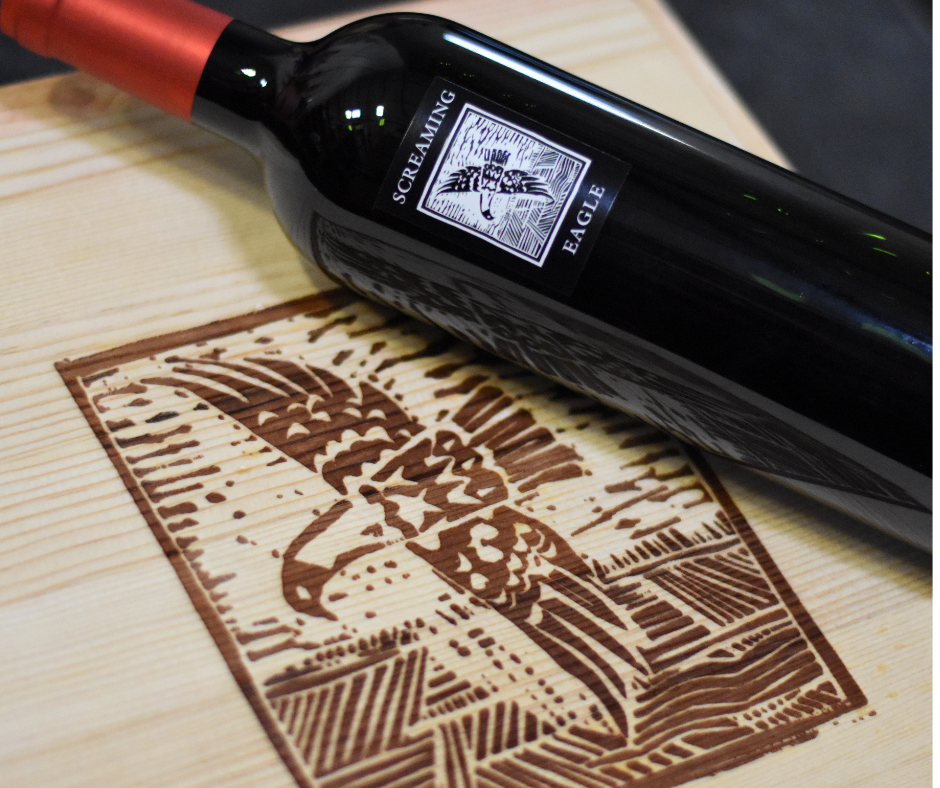
What started as a humble home to small, family owned vineyards quickly turned into a global hot spot of wine in the 1990s. Classic Napa Blue Chips like Chateau Montelena, Beaulieu Vineyards, Dunn and more quietly held court in the famous valley, slowly building momentum from their victories at the 1976 Judgement of Paris just 15 years earlier. And then, that momentum turned into a full sprint when Screaming Eagle hit the market. An absolute hit from their first vintage, Screaming Eagle and their wines were opulent, bold, and something completely new from Napa. With small production and big attention, one of the first cult producers in Napa was born. From then on, many producers making similar powerful cabernets came out of the woodwork, with names like Harlan Estate and Opus One being allocation-only superstars. This shift fundamentally altered Napa’s trajectory, positioning it for global dominance in the decades that followed.
Bordeaux
If Napa was sprinting into the spotlight, Bordeaux was refining its dominance. The 1990s delivered a string of extraordinary vintages like 1990, 1995, 1996, and 1998… proving to the world that France was firing on all cylinders.
Iconic estates like Château Margaux, Château Latour, and Château Pétrus became even more sought after, as quality reached new heights and advancements in vineyard management and cellar technology ushered in a more consistent style of wine.
Influenced in part by critics and changing consumer tastes, many producers began crafting richer, more approachable wines without sacrificing structure. Bordeaux chose to honor its past while subtly evolving for a new international audience.
Burgundy
In Burgundy, the 1990s were less about reinvention and more about self discovery. After a challenging period in the 1970s and ’80s, the region entered the 90s with hope, and a new era of high quality winemaking focused on terroir took over.
Producers like Domaine de la Romanée-Conti and Domaine Leroy set the standard, crafting Pinot Noir and Chardonnay of incredible depth. Rather than chasing power, Burgundy doubled down on nuance, and produced wines that spoke clearly of their origin.
The decade also ushered in global appreciation for Burgundy’s complexity. Collectors began to embrace the region’s more restrained expression, and Burgundy’s terroir driven wines combined with rising demand helped solidified Burgundy’s place as one of the most coveted wine regions in the world.
Champagne
Champagne in the 90s was all about luxury, and Champagne fit right into an era of excessiveness. Iconic houses had no trouble leaning into their image as the symbol of celebration.
Legendary wines like Dom Pérignon and Cristal became cultural icons, thanks to beloved icons mentioning these brands in songs, film, and tv shows as the ultimate status symbol. At the same time, improvements in winemaking precision elevated overall quality across the region.
But beneath the glamour, a quieter shift was taking place. Grower producers began to gain attention, offering more terroir driven expressions of Champagne. This subtle movement would lay the groundwork for a broader evolution in the decades to come, balancing the dominance of major houses with a new wave of voices.
Robert Parkers Scoring
You can’t talk about wine in the 90s without mentioning Robert M. Parker Jr.. Writer, critic, and owner of The Wine Advocate, Parker popularized the 100-point scoring system, completley changing how wine was crtiiwued and marketed.
What began as a tool for consumers quickly became a powerful force within the industry. A high score from Parker could send demand soaring overnight. Wineries took notice, and many began crafting wines in a style more likely to earn critical acclaim: riper fruit and big concentration.
Some argued that Parker democratized wine, making it more accessible and understandable, while many others feared homogenization. Either way, Parker’s influence was and continues to be undeniable. By the end of the decade, the “Parker score” had become a global currency in fine wine, shaping not just how wines were judged, but how they were made.
The ’90s Pour
The ’90s were more than a moment. They were a turning point, one that took wine from the cellar into the spotlight, and set the stage for the modern era in every glass that followed.
Leave a Reply