The Reason Château Latour Continues to Define Collectible Bordeaux
In Bordeaux, few names carry the same weight as Château Latour.
The estate’s unmistakable tower has watched over the Gironde estuary for centuries, while beneath it, some of the world’s most age-worthy wines continue to emerge vintage after vintage. Yet what makes Latour so fascinating is not simply prestige or price. It is the estate’s unwavering pursuit of structure, precision, and longevity, qualities that have made it one of Bordeaux’s most enduring benchmarks for over 300 years.
For collectors, Latour represents something increasingly rare in modern wine: patience. These are wines built not for immediate applause, but for decades of evolution.
A Bordeaux Legacy Rooted in History
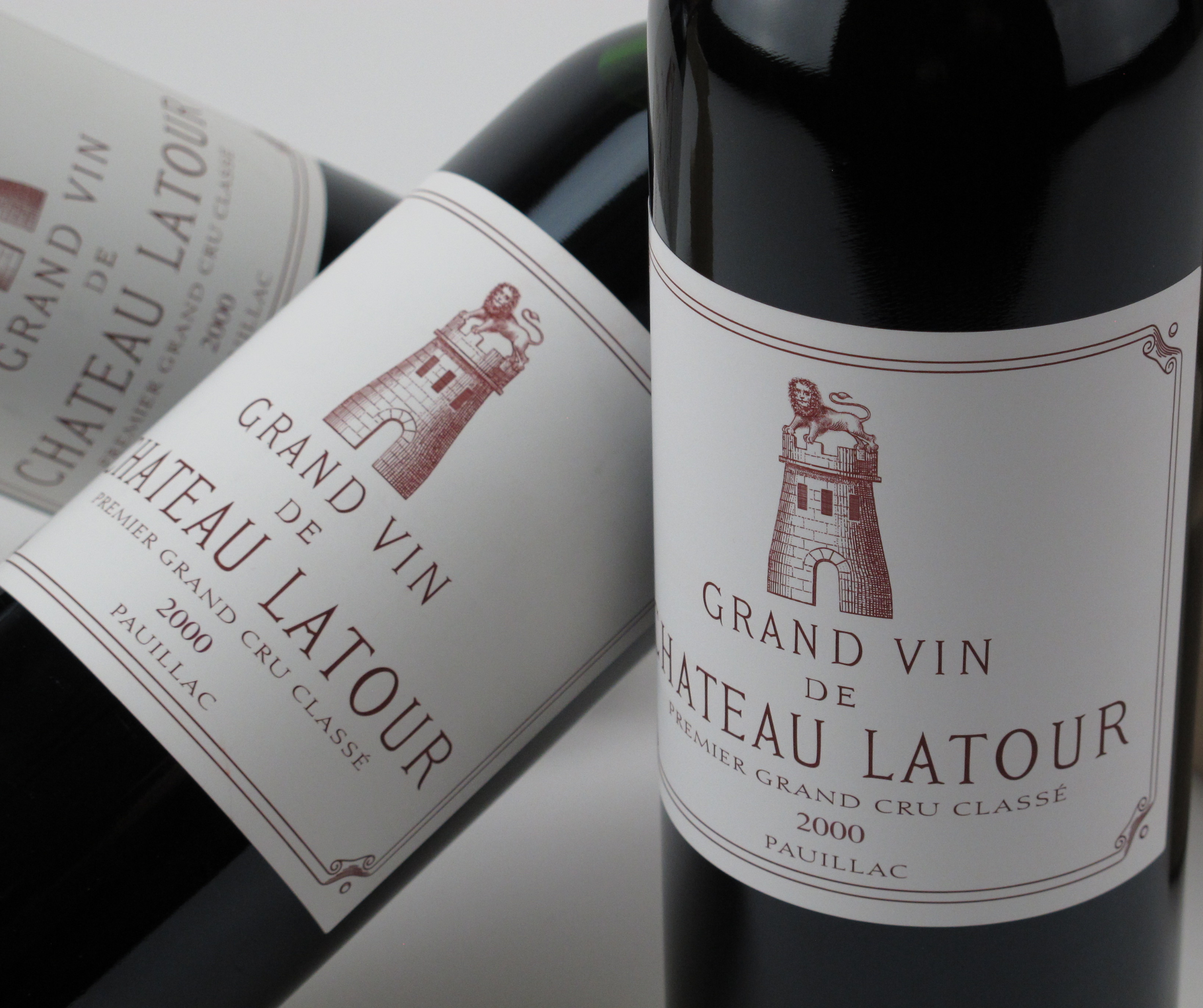
The history of Château Latour stretches back to 1331, when references to a defensive tower near the estate first appeared in historical records. While the original fortress no longer stands, the iconic tower featured on every bottle remains one of the most recognizable symbols in fine wine.
By the 18th century, Latour had already established itself as one of Bordeaux’s most sought-after estates. In fact, long before the famous 1855 Bordeaux Classification formally named Latour a First Growth, the wines were already commanding some of the region’s highest prices among merchants and collectors.
Today, Château Latour remains one of only five estates awarded First Growth status in the original 1855 Classification, alongside Lafite Rothschild, Margaux, Haut-Brion, and Mouton Rothschild, which was later elevated in 1973.
Yet even among this elite group, Latour often stands apart stylistically.
The Power of Pauillac
Located in the southern part of Pauillac, Latour benefits from one of Bordeaux’s most revered vineyard sites: L’Enclos.
This historic vineyard surrounds the château itself and sits atop deep gravel soils layered with clay beneath the surface. The proximity to the Gironde estuary helps moderate temperatures and protect vines from extreme weather, creating ideal conditions for Cabernet Sauvignon, the dominant grape in Latour’s Grand Vin.
Among the First Growths, Latour consistently uses one of the highest percentages of Cabernet Sauvignon in its final blend. As a result, the wines often display extraordinary structure, graphite-driven minerality, dark cassis fruit, and a firm architectural backbone that rewards long-term cellaring.
Young Latour can feel almost immovable, like a cathedral built from tannin and stone. However, with time, those powerful layers slowly unfurl into something remarkably refined.
Mature vintages often reveal cigar box, cedar, truffle, leather, crushed violets, and the unmistakable Pauillac signature that collectors chase across generations.
Why Château Latour Ages So Exceptionally Well
Many Bordeaux wines can improve with age. Latour, however, was practically engineered for it.
The combination of Cabernet Sauvignon dominance, exceptional terroir, rigorous vineyard selection, and meticulous winemaking creates wines with immense natural stability. Even challenging vintages frequently develop with remarkable grace.
Collectors often speak about Latour in terms of decades rather than years. Bottles from the 1960s, 1980s, and 1990s continue to deliver extraordinary experiences today, while modern vintages are widely expected to evolve well into the future.
This longevity also contributes to Latour’s unique market position. Unlike many collectible wines driven primarily by scarcity or hype, Latour’s reputation is deeply tied to proven performance over time.
Vintage after vintage, the wines continue to validate the estate’s standing.
The Estate That Walked Away from En Primeur
In 2012, Château Latour made one of the boldest decisions in modern Bordeaux history by stepping away from the traditional en primeur system.
Rather than selling wines as unfinished futures shortly after harvest, the estate chose to hold back vintages and release them only when they believed the wines were ready to drink.
The move shocked much of Bordeaux.
However, the decision aligned perfectly with Latour’s philosophy. If the wines are built for patience, why rush them to market?
This strategy also allows the estate to maintain greater control over provenance and storage conditions before release. For collectors, that additional confidence matters tremendously, especially for wines intended to age for decades.
Today, Latour releases mature vintages directly from the château cellar, often with pristine condition and advanced authentication measures designed to combat counterfeiting.
Beyond the Grand Vin
While Château Latour commands most of the attention, the estate’s additional labels offer compelling expressions of Pauillac at different stages and styles.
Les Forts de Latour
Les Forts de Latour is widely regarded as one of Bordeaux’s greatest second wines. Produced from younger vines and select parcels outside the core Grand Vin blend, it often delivers remarkable depth and structure while becoming approachable earlier than Château Latour itself.
For many collectors, Les Forts offers one of the clearest windows into the Latour house style without requiring decades of patience.
Pauillac de Latour
Pauillac de Latour provides a more immediate and accessible interpretation of the estate. While crafted for earlier enjoyment, it still carries the polish, precision, and Cabernet-driven identity associated with Latour.
Together, these wines create a broader portrait of the estate and its terroir.
Château Latour in the Modern Collector’s Cellar
In today’s wine world, where trends move quickly and new labels constantly emerge, Château Latour remains remarkably consistent.
The estate rarely chases stylistic fashion. Instead, it continues refining a philosophy built around longevity, vineyard precision, and disciplined winemaking.
That consistency is precisely why Latour continues to resonate with collectors across generations.
Whether exploring mature vintages from the estate’s historic past or securing recent releases for long-term aging, Château Latour represents one of Bordeaux’s clearest expressions of patience rewarded.
Every bottle tells a story measured not simply in points or prestige, but in time itself.
Cheers,
The BWG team
Leave a Reply