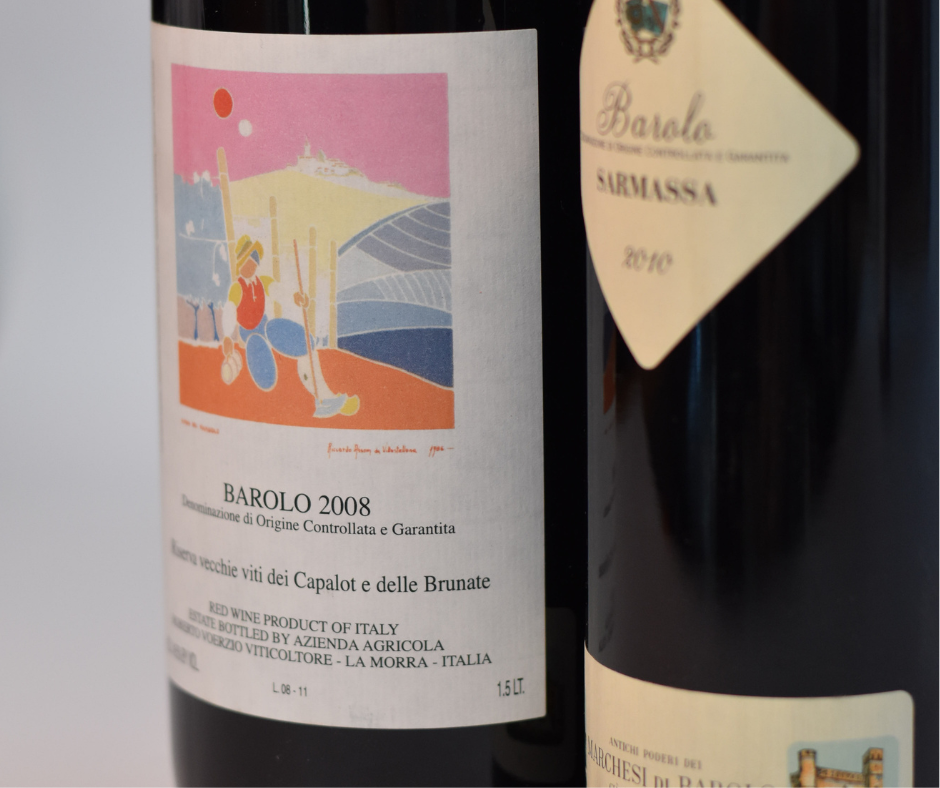
Some wines invite admiration. Others invite debate.
Barolo has always belonged firmly in the second category. Vintage charts, vineyard maps, traditionalists versus modernists, and the perennial question of when to pull the cork make this one of the world’s most fascinating regions for collectors.
For this edition of Cellar Conversations, we spoke with Alexandra Harner, Senior Sales Account Manager at Benchmark Wine Group, about the questions collectors are asking most, the producers gaining momentum, and the one bottle she recommends to anyone looking to understand Barolo at its finest.
“Vintage is the conversation.”
If there is one topic dominating discussions today, it is vintages.
“Collectors want to know where 2016 sits alongside 2013, whether 2019 is being slept on, or if they missed the window on 2010.”
Alex says today’s collectors are doing their homework. Rather than simply chasing critic scores, they want to understand how each vintage is likely to evolve, which years reward patience, and which are drinking beautifully earlier than expected.
Another question comes up just as often.
“When should I actually open this bottle?”
That question says a great deal about today’s buyers. They are not collecting Barolo simply to own it. They are building cellars with the intention of opening these wines at the right moment and sharing them with friends and family.
A return to the traditionalists
One of the clearest trends Alexandra has noticed is renewed enthusiasm for Barolo’s classic producers.
“The clearest shift I’ve seen over the past few years is a move toward the traditionalists. Bartolo Mascarello, Giacomo Conterno, Giuseppe Rinaldi, and Cappellano continue to attract growing demand.”
These names have long been icons, but interest has intensified, particularly among sommeliers building thoughtful wine lists for guests who appreciate the stories behind the bottle.
Collectors and wine professionals are also becoming increasingly interested in individual MGAs, or Menzioni Geografiche Aggiuntive. Vineyards such as Monvigliero, Ravera, and Vigna Rionda are appearing in conversations far more frequently than they did just a few years ago, reflecting a growing appreciation for the distinct personalities of Barolo’s individual sites.
Looking beyond Barolo
The same curiosity extends well beyond the Langhe.
“Etna is probably the region I’m asked about most outside Barolo, especially single-vineyard contrade wines from producers like Terre Nere.”
Alex is also seeing growing interest in Taurasi and northern Piemonte appellations such as Gattinara and Carema.
The common thread is clear. Collectors and sommeliers are searching for wines with a strong sense of place, the ability to age gracefully, and enough character to spark conversation around the table.
One bottle to know
When asked to recommend a single bottle that captures the essence of traditional Barolo, Alexandra does not hesitate.
Bartolo Mascarello Barolo 2012
“If someone asks me for one bottle that shows Barolo at its best, this is consistently where I point them.”
Bartolo Mascarello remains one of the region’s defining estates, known for blending vineyards rather than producing single-MGA bottlings and for an unwavering commitment to traditional winemaking.
The 2012 vintage offers remarkable balance. Expect aromas of dried rose petals, tar, iron, and earthy complexity, with Nebbiolo’s signature slow, graceful unfolding in the glass. It is drinking beautifully today while still offering many years of cellaring potential.
Producers worth watching
Alongside Barolo’s established icons, Alexandra believes several producers deserve a place on every collector’s radar.
Giulia Negri has become one of La Morra’s most exciting voices, crafting precise, site-driven Barolos from vineyards including Serradenari and La Tartufaia.
Fratelli Alessandria continues to produce some of Verduno’s finest wines, with its Monvigliero bottling increasingly regarded as one of the benchmark expressions of this celebrated MGA.
Diego Morra is another producer to watch. His tiny production and focus on Monvigliero have earned him growing attention among collectors seeking exceptional single-vineyard Barolo.
Crissante Alessandria remains one of Castiglione Falletto’s hidden gems. Wines from the Galina MGA consistently overdeliver and remain one of the region’s best values for collectors looking beyond the most famous names.
Barolo rewards curiosity. The deeper collectors explore its vintages, vineyards, and producers, the richer the experience becomes. That spirit of discovery is what keeps conversations around Barolo evolving, vintage after vintage.
-The BWG Team
Leave a Reply