Understanding Wine Provenance and Why It Matters
Two bottles can have the same producer, vintage, and label. Yet they may offer very different experiences when opened. One might have spent decades in a well-maintained cellar. The other may have passed through storage conditions no one can account for.
That difference is why wine provenance matters, especially when buying a rare or back-vintage bottle. The older the wine, the more of its story happened after it left the winery.
What is wine provenance?
Wine provenance is the history of a bottle: where it came from, who owned it, and how it was stored and handled along the way. For a collector, it helps answer a question the label cannot: What happened to this wine during the years it was aging?
Provenance does not predict exactly how a bottle will taste. Every older wine is unique. But a trustworthy history gives you a better foundation for choosing a wine to collect, gift, or open.
Why storage history matters
Wine continues to develop in the bottle. That makes its journey after release part of the buying decision. When considering a mature Bordeaux or an older Napa Cabernet, it is reasonable to ask how the collection was stored and how the bottles were transported.
This matters for a holiday gift, too. A meaningful vintage may be what first catches your eye, but confidence in the bottle makes it easier to give.
What can you learn from the bottle itself?
A physical inspection adds another part of the story. Collectors may look at the fill level, cork, capsule, and label, along with any signs of seepage.
Those details need context. An older bottle may have a worn label while the wine has otherwise been well cared for. Fill levels also change with age, so the same level can mean something different on a recent release than on a decades-old wine. Benchmark Wine Group’s bottle condition guide explains the terms you may see on a product listing and how we evaluate them.
The goal is to understand the bottle in front of you, not to expect every older wine to look newly released.
What does an original wood case tell you?
An original wood case, often listed as OWC, is the wooden case issued with a wine by its producer. Collectors may value it as part of a wine’s original presentation, especially when buying multiple bottles from the same vintage.
But the case is one part of the story. It cannot, on its own, tell you how the wine was stored over the years. The bottles and their history still deserve the same careful review.
Our recent original wood case offering is an opportunity to explore wines in this format and consider what matters beyond the label: the case, the condition of its bottles, and their provenance.
How does Benchmark Wine Group verify provenance?
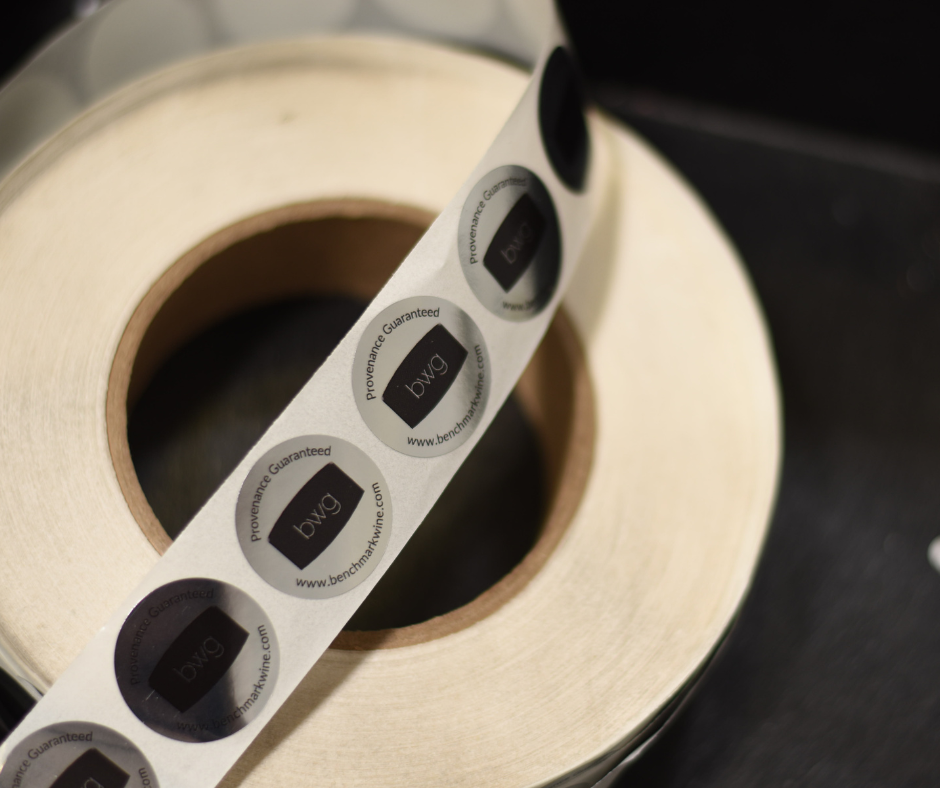
At Benchmark Wine Group, provenance begins before a bottle is offered for sale. Our acquisitions team sources wine from private cellars and established trade sources when its history can be verified. For private collections, a representative may visit the cellar to meet the collector and inspect storage conditions. In other cases, the team reviews bottle photographs before acquisition.
Once the wine arrives, our cellar team inspects each bottle by hand for signs of storage or handling concerns. When appropriate, the team may also taste representative bottles from a collection. You can read the full process and terms of our Provenance Guarantee.
A better question to ask when buying older wine
It is easy to begin with “Is this a great vintage?” A useful next question is “What do we know about this bottle?”
A sought-after producer and a meaningful year may lead you to a wine. Its provenance helps you decide whether it belongs in your cellar or on your table. That is especially valuable when buying a bottle you have waited years to find, or choosing one as a gift for someone who knows wine well.
Explore fine and rare wines at Benchmark Wine Group and review our Provenance Guarantee as you shop.
Cheers,
The BWG team
Leave a Reply